 Guy Dunn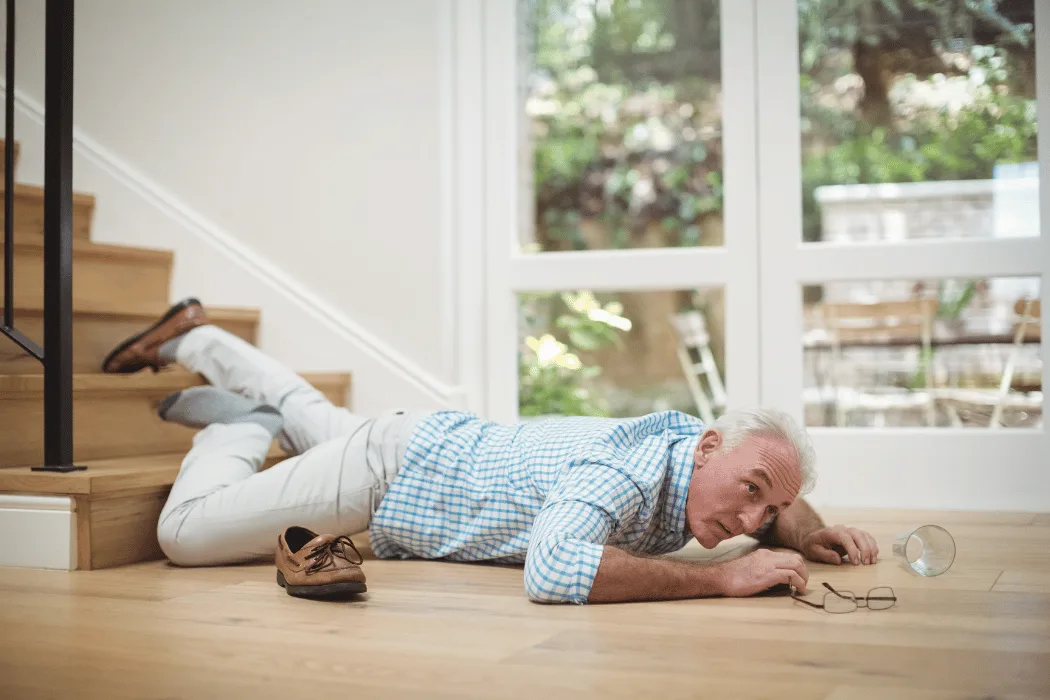
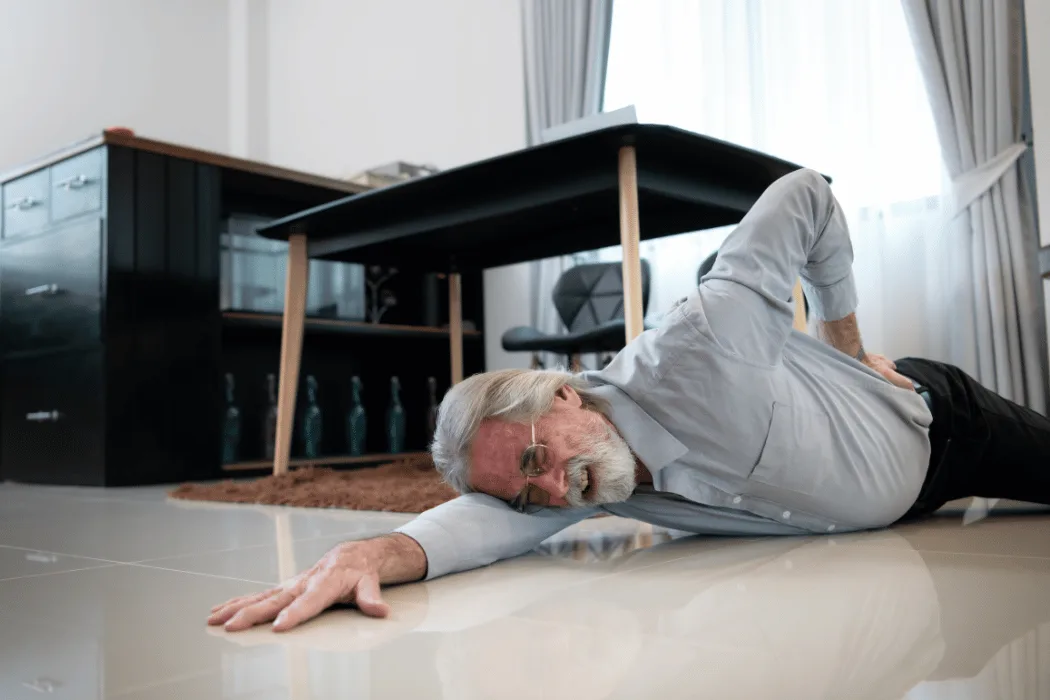
Slip and fall accidents are among the most common causes of injuries in homes, workplaces, retail stores, restaurants, hotels, and public spaces. While some falls result in minor bruises, others can lead to serious injuries such as broken bones, head trauma, spinal cord injuries, and long-term disabilities. These accidents can affect people of all ages, but older adults and individuals with mobility challenges are often at greater risk.
Many slip and fall accidents are preventable. Understanding the common causes of these incidents can help property owners, businesses, and individuals take proactive steps to create safer environments. By identifying hazards and addressing them promptly, the likelihood of accidents and injuries can be significantly reduced.
Understanding Slip and Fall Accidents
A slip and fall accident occurs when a person loses balance due to a hazardous condition and falls to the ground or another surface. These accidents often happen unexpectedly and can result from dangerous property conditions that should have been corrected or clearly marked.
Property owners and businesses have a responsibility to maintain reasonably safe premises for visitors, customers, employees, and guests. When hazardous conditions are ignored, the risk of injury increases substantially.
Wet and Slippery Floors
One of the leading causes of slip and fall accidents is wet or slippery flooring. Liquids spilled on floors can create dangerous walking conditions, especially in high-traffic areas.
Common sources of slippery surfaces include:
- Water spills
- Beverage spills
- Recently mopped floors
- Leaking equipment
- Rainwater tracked indoors
- Grease and oil spills
Without proper warning signs or prompt cleanup, these hazards can cause individuals to lose their footing and fall unexpectedly.
Prevention Tips
- Clean spills immediately.
- Place warning signs near wet areas.
- Use slip-resistant flooring materials.
- Install floor mats at entrances.
- Conduct regular inspections throughout the day.
Uneven Walking Surfaces
Uneven floors, sidewalks, and pathways are another major contributor to slip and fall accidents. Cracks, holes, raised pavement, and damaged flooring can create tripping hazards that may not be immediately visible.
Examples include:
- Broken sidewalks
- Uneven concrete surfaces
- Damaged floor tiles
- Loose floorboards
- Potholes in parking lots
These hazards are particularly dangerous in areas with heavy foot traffic.
Prevention Tips
- Repair damaged surfaces promptly.
- Conduct regular maintenance inspections.
- Mark hazardous areas until repairs are completed.
- Ensure pathways remain level and safe for pedestrians.
Poor Lighting Conditions
Adequate lighting is essential for preventing accidents. Poorly lit areas can make it difficult for individuals to see obstacles, changes in elevation, or dangerous conditions.
Areas commonly affected by inadequate lighting include:
- Stairwells
- Parking garages
- Hallways
- Building entrances
- Walkways
- Storage rooms
When visibility is limited, people may not notice hazards until it is too late.
Prevention Tips
- Install sufficient lighting throughout the property.
- Replace burned-out bulbs immediately.
- Use motion-activated lighting where appropriate.
- Inspect lighting systems regularly.
Damaged Stairs and Handrails
Stairways can be particularly dangerous when not properly maintained. Broken steps, loose handrails, and uneven stair surfaces increase the risk of falls.
Common stair-related hazards include:
- Cracked steps
- Missing handrails
- Loose carpeting
- Uneven stair heights
- Slippery stair surfaces
A fall on a staircase can result in severe injuries due to the height and momentum involved.
Prevention Tips
- Inspect stairways regularly.
- Repair damaged steps immediately.
- Ensure handrails are secure.
- Install non-slip stair surfaces.
- Maintain adequate lighting around staircases.
Loose Carpeting and Floor Mats
Carpets and mats can become serious tripping hazards if they are not properly secured. Edges that curl upward or mats that slide across the floor can easily catch a person’s foot.
These issues commonly occur in:
- Office buildings
- Retail stores
- Hotels
- Apartment complexes
- Residential homes
Prevention Tips
- Secure rugs and mats properly.
- Replace worn carpeting.
- Use non-slip backing materials.
- Inspect flooring regularly for damage.
Cluttered Walkways
Objects left in walkways create unnecessary hazards that can lead to trips and falls. Clutter is especially common in workplaces, warehouses, retail stores, and construction sites.
Examples include:
- Boxes
- Electrical cords
- Cleaning equipment
- Merchandise displays
- Personal belongings
When walkways are obstructed, individuals may be forced to navigate around obstacles or accidentally trip over them.
Prevention Tips
- Keep walkways clear at all times.
- Store equipment properly.
- Organize inventory safely.
- Train employees on safety procedures.
Weather-Related Hazards
Outdoor surfaces can become dangerous during adverse weather conditions. Rain, snow, ice, and other weather-related factors often contribute to slip and fall accidents.
Common weather-related hazards include:
- Ice-covered sidewalks
- Snow accumulation
- Wet entrances
- Slippery parking lots
- Water pooling on walkways
Property owners should take reasonable steps to address these conditions promptly.
Prevention Tips
- Remove snow and ice quickly.
- Apply salt or sand to slippery areas.
- Install weather-resistant flooring.
- Place absorbent mats near entrances.
Inadequate Maintenance
Neglecting regular property maintenance can create numerous hazards that increase the likelihood of accidents.
Maintenance-related issues may include:
- Broken flooring
- Leaking pipes
- Structural defects
- Damaged walkways
- Faulty lighting systems
Routine inspections help identify problems before they become serious safety concerns.
Prevention Tips
- Develop a maintenance schedule.
- Conduct routine inspections.
- Address repair needs immediately.
- Document maintenance activities.
Unsafe Workplace Conditions
Workplaces are common locations for slip and fall accidents. Employees often encounter hazards while performing daily job duties.
Workplace risks may include:
- Wet floors
- Poor housekeeping
- Improperly stored materials
- Inadequate safety training
- Unsafe equipment
Employers have a responsibility to provide a reasonably safe work environment.
Prevention Tips
- Implement workplace safety programs.
- Train employees regularly.
- Encourage hazard reporting.
- Provide proper safety equipment.
Footwear-Related Risks
Although property conditions are often the primary cause of slip and fall accidents, footwear can also play a role. Shoes with poor traction may increase the risk of slipping on smooth or wet surfaces.
Examples include:
- Worn-out shoe soles
- High heels
- Unsuitable work footwear
- Shoes lacking slip-resistant features
Prevention Tips
- Wear appropriate footwear for the environment.
- Replace worn shoes regularly.
- Use slip-resistant shoes when necessary.
The Importance of Hazard Awareness
Many slip and fall accidents occur because hazards go unnoticed. Both property owners and visitors benefit from remaining alert and aware of their surroundings.
Regular inspections, proper maintenance, employee training, and prompt hazard correction can greatly reduce accident risks. Likewise, individuals should exercise caution when walking in unfamiliar or potentially hazardous areas.
Creating a culture of safety helps protect everyone from preventable injuries.
Legal Consequences of Negligence
When property owners fail to maintain safe conditions and someone is injured, they may be held legally responsible under premises liability laws. Injured individuals may have the right to seek compensation for:
- Medical expenses
- Lost wages
- Rehabilitation costs
- Pain and suffering
- Future medical care
- Reduced earning capacity
Property owners who take safety seriously not only protect visitors but also reduce their exposure to legal claims.
Conclusion
Slip and fall accidents can occur almost anywhere, but many are preventable through proper maintenance, hazard awareness, and responsible property management. Wet floors, uneven surfaces, poor lighting, damaged stairs, cluttered walkways, weather-related hazards, and inadequate maintenance are among the most common causes of these accidents.
By addressing potential dangers promptly and implementing effective safety measures, property owners can create safer environments and reduce the risk of injuries. For individuals, understanding common slip and fall hazards can promote greater awareness and help prevent accidents before they occur. Safety is a shared responsibility, and proactive prevention remains the most effective way to protect people from unnecessary harm.