 Guy Dunn
Premises liability is an important area of personal injury law that focuses on the responsibility of property owners to maintain safe environments for visitors. Every day, people visit stores, restaurants, hotels, office buildings, apartment complexes, and other properties with the expectation that these places are reasonably safe. When dangerous conditions exist and property owners fail to address them, serious accidents and injuries can occur.
Understanding premises liability and the responsibilities of property owners can help individuals recognize their legal rights if they are injured due to unsafe property conditions. Whether an accident involves a slip and fall, inadequate security, or another hazardous condition, premises liability laws are designed to hold negligent property owners accountable.
What Is Premises Liability?
Premises liability is a legal concept that holds property owners, managers, and occupiers responsible for injuries that occur on their property due to unsafe or hazardous conditions. The law requires property owners to take reasonable steps to maintain their premises and protect visitors from foreseeable dangers.
When property owners fail to meet this duty of care and someone is injured as a result, they may be legally liable for the damages caused by the accident. Premises liability claims are often based on negligence, meaning that the property owner did not act reasonably to prevent harm.
The purpose of premises liability laws is to encourage property owners to maintain safe conditions and provide injured individuals with a way to seek compensation when negligence contributes to an accident.
The Duty of Care Owed by Property Owners
Property owners have a legal obligation known as a “duty of care.” This duty requires them to regularly inspect their property, identify potential hazards, and take appropriate measures to correct dangerous conditions.
Reasonable safety measures may include:
- Repairing broken walkways
- Cleaning spills promptly
- Installing proper lighting
- Fixing damaged stairs and handrails
- Removing obstacles from walkways
- Posting warning signs for temporary hazards
- Maintaining parking lots and sidewalks
- Providing adequate security when necessary
The level of responsibility may vary depending on the type of property and the circumstances of the visitor’s presence on the property. However, in general, property owners are expected to act reasonably to prevent foreseeable injuries.
Common Types of Premises Liability Cases
Premises liability covers a wide range of accidents and injuries. Some of the most common cases include:
Slip and Fall Accidents
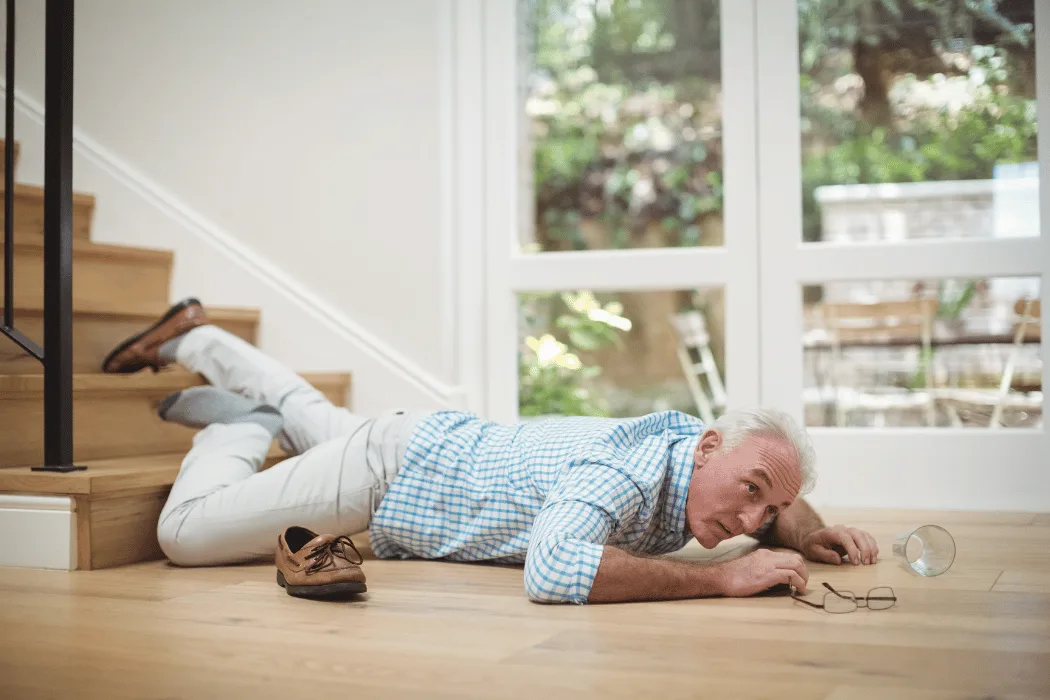
Slip and fall accidents are among the most frequently reported premises liability claims. These accidents often occur due to:
- Wet or slippery floors
- Uneven surfaces
- Loose carpeting
- Broken flooring
- Poor lighting
- Ice or snow accumulation
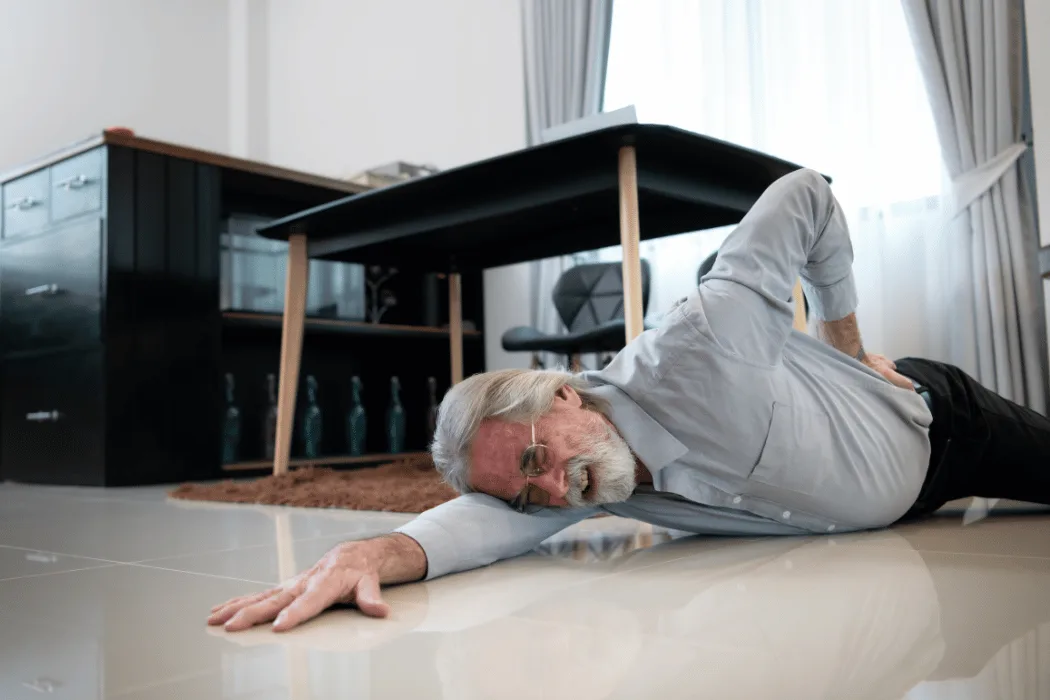
A simple fall can result in serious injuries, including fractures, head injuries, spinal damage, and long-term mobility issues.
Trip and Fall Accidents
Trip and fall incidents may occur when visitors encounter unexpected obstacles or unsafe walking conditions. Examples include exposed wires, cracked sidewalks, cluttered aisles, and uneven pavement.
Inadequate Security
Property owners may be responsible for providing reasonable security measures in areas where criminal activity is foreseeable. Failure to provide adequate lighting, security personnel, surveillance systems, or secure entrances may result in liability if a visitor is harmed.
Dog Bite Incidents
In some situations, property owners can be held responsible when dangerous animals on their property cause injuries to visitors.
Swimming Pool Accidents
Swimming pools present various safety risks. Property owners may face liability if they fail to maintain safety barriers, warning signs, or proper supervision, resulting in injuries or drowning accidents.
Falling Objects
Items that fall from shelves, ceilings, construction sites, or storage areas can cause significant injuries. Property owners have a responsibility to ensure that objects are properly secured.
How Negligence Is Established in Premises Liability Cases
To succeed in a premises liability claim, an injured person typically must prove several elements.
Dangerous Condition Existed
The injured party must demonstrate that a hazardous condition existed on the property. Examples include wet floors, broken stairs, poor lighting, or other unsafe conditions.
Property Owner Knew or Should Have Known
It must generally be shown that the property owner knew about the dangerous condition or should have discovered it through reasonable inspections.
For example, if a spill remained on a grocery store floor for an extended period without being cleaned up, the store may be considered negligent.
Failure to Address the Hazard
The injured person must show that the property owner failed to repair the hazard, remove the danger, or provide adequate warning.
Injury Resulted from the Hazard
Finally, the injured party must establish that the dangerous condition directly caused their injuries and damages.
Common Injuries in Premises Liability Cases
Premises liability accidents can result in a variety of injuries, ranging from minor to life-altering.
Common injuries include:
- Broken bones
- Sprains and strains
- Traumatic brain injuries
- Concussions
- Neck injuries
- Back injuries
- Spinal cord damage
- Hip fractures
- Shoulder injuries
- Internal injuries
The severity of these injuries often depends on factors such as the victim’s age, overall health, and the nature of the accident.
Responsibilities of Business Owners
Businesses that invite customers onto their property have a particularly important duty to maintain safe conditions.
Business owners should:
- Conduct regular safety inspections
- Train employees to identify hazards
- Address dangerous conditions immediately
- Place warning signs near temporary hazards
- Maintain equipment properly
- Ensure adequate lighting and security
Because businesses benefit financially from customer visits, courts often expect them to exercise a high level of care regarding customer safety.
Responsibilities of Residential Property Owners
Residential property owners also have responsibilities toward visitors, tenants, and guests.
Landlords, for example, may be responsible for maintaining common areas such as:
- Hallways
- Staircases
- Parking lots
- Elevators
- Sidewalks
Failure to maintain these areas properly can result in liability if someone is injured due to unsafe conditions.
Compensation Available in Premises Liability Claims
When negligence causes injuries, victims may be entitled to seek compensation for their losses.
Potential damages may include:
Medical Expenses
Compensation may cover emergency treatment, hospital stays, surgeries, medications, rehabilitation, and future medical care.
Lost Income
If injuries prevent a person from working, they may recover compensation for lost wages and reduced earning capacity.
Pain and Suffering
Victims may also receive compensation for physical pain, emotional distress, and reduced quality of life.
Long-Term Disability Costs
Severe injuries that result in permanent disability may require ongoing medical treatment and lifestyle adjustments, which can significantly increase damages.
Importance of Evidence in Premises Liability Cases
Strong evidence is critical when pursuing a premises liability claim.
Helpful evidence may include:
- Accident reports
- Photographs of hazardous conditions
- Surveillance footage
- Witness statements
- Medical records
- Maintenance records
- Inspection reports
Gathering evidence as soon as possible after an accident can significantly strengthen a claim.
Why Legal Representation Matters
Premises liability cases often involve insurance companies, property owners, corporate legal teams, and complex legal procedures. Establishing negligence can require detailed investigations and substantial evidence.
An experienced premises liability attorney can:
- Evaluate the circumstances of the accident
- Determine liability
- Collect and preserve evidence
- Communicate with insurance companies
- Calculate damages
- Negotiate settlements
- Represent clients in court when necessary
Legal representation helps ensure that injured individuals understand their rights and pursue fair compensation for their losses.
Conclusion
Premises liability law plays a vital role in promoting public safety and holding property owners accountable for maintaining safe environments. Whether the accident involves a slip and fall, inadequate security, falling objects, or another hazardous condition, property owners have a legal responsibility to take reasonable steps to prevent foreseeable harm.
Understanding the principles of premises liability can help individuals recognize when negligence may have contributed to an injury. By knowing their rights and seeking appropriate legal guidance, accident victims can better protect their interests and pursue the compensation they may deserve. Property owners who prioritize safety not only reduce the risk of accidents but also create safer environments for everyone who visits their premises.